
KDHE Monitoring Air Quality After Recent Wildland Fires Across Kansas
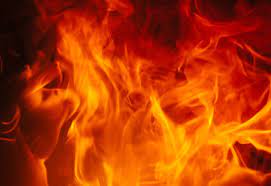
The Kansas Department of Health and Environment (KDHE) continues to monitor air quality across the state due to the recent wildland fires in western Kansas that began on Feb. 17, due to high winds and dry conditions. Updates will be provided as Air Quality Index (AQI) results are made available.
Wildfires can release large amounts of particulate matter and other pollutants that can form ground-level ozone. Particulate matter and ozone can cause health problems, even in healthy individuals. Common health problems include burning eyes, runny nose, coughing, and illnesses such as bronchitis. People with respiratory conditions and cardiovascular diseases, as well as children and elderly, are more vulnerable to experience symptoms.
Steps to protect your health on days when smoke is present in your community include:
- Healthy people should limit or avoid strenuous outdoor exercise.
- Vulnerable people need to remain indoors.
- Keep indoor air clean by closing doors and windows and running air conditioners with air filters.
- Stay hydrated by drinking lots of water.
- Contact your doctor if you have symptoms such as chest pain, chest tightness, shortness of breath or severe fatigue.
For current air monitoring data in Kansas, visit Air Monitoring Data | KDHE, KS.
Monitoring data and fire and smoke information can be accessed at AirNow Fire and Smoke Map.